Sources of Curiosity
Questions from October 14 walk
Why is the water so shallow at the mouth of Ripley Creek?
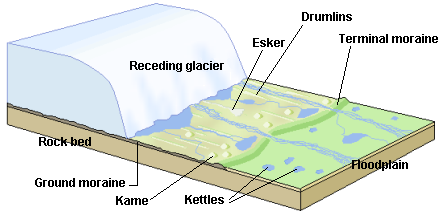
Hundreds of thousands of years ago, the area that is now the coast of Maine was covered in tall, rocky mountains. Over the past 50,000 years, there have been several periods of glaciers where the ice was several miles thick. The last of these glaciers receded about 10,000 years ago.
As the glaciers receded, they left behind the rubble of the mountains that the ice had ground down. This rubble is unevenly distributed, resulting in features like Mount Battie and lakes such as Megunticook and Seven Tree Pond. You can see this pattern play out on a small scale at the mouth of Ripley Creek.
Why are there so many geese congregating at this time of year?
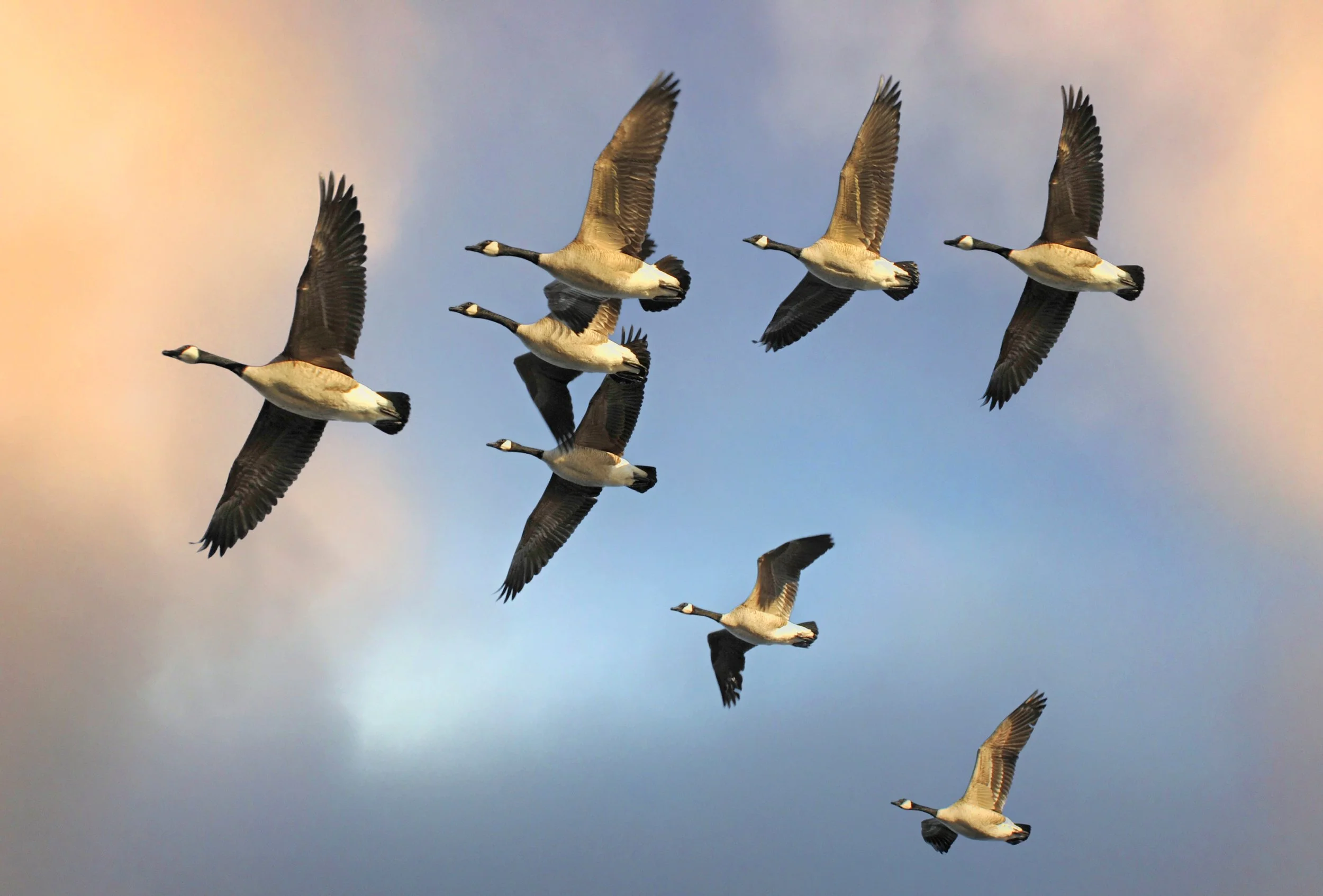
Maine has both resident populations (birds that hang around all year) and migratory populations (birds that fly south in the winter) of Canada Geese. In addition, the coast of Maine is on a significant flyway for geese that summer in Canada and winter on the Chesapeake and further south.
In October and November, geese that fly south as well as geese that are migrating through from Canada tend to congregate along the shore as they prepare for the next stage on their journey.
For further reading about Canada Geese see these resources from Maine Inland Fisheries and Wildlife and Audobon. One of the world’s finest conservation writers, Aldo Leopold, wrote a beautiful essay about the experience of listening to migrating geese called “Goose Music” that is a magical read.
Why is there so much seaweed washed up on the shore?
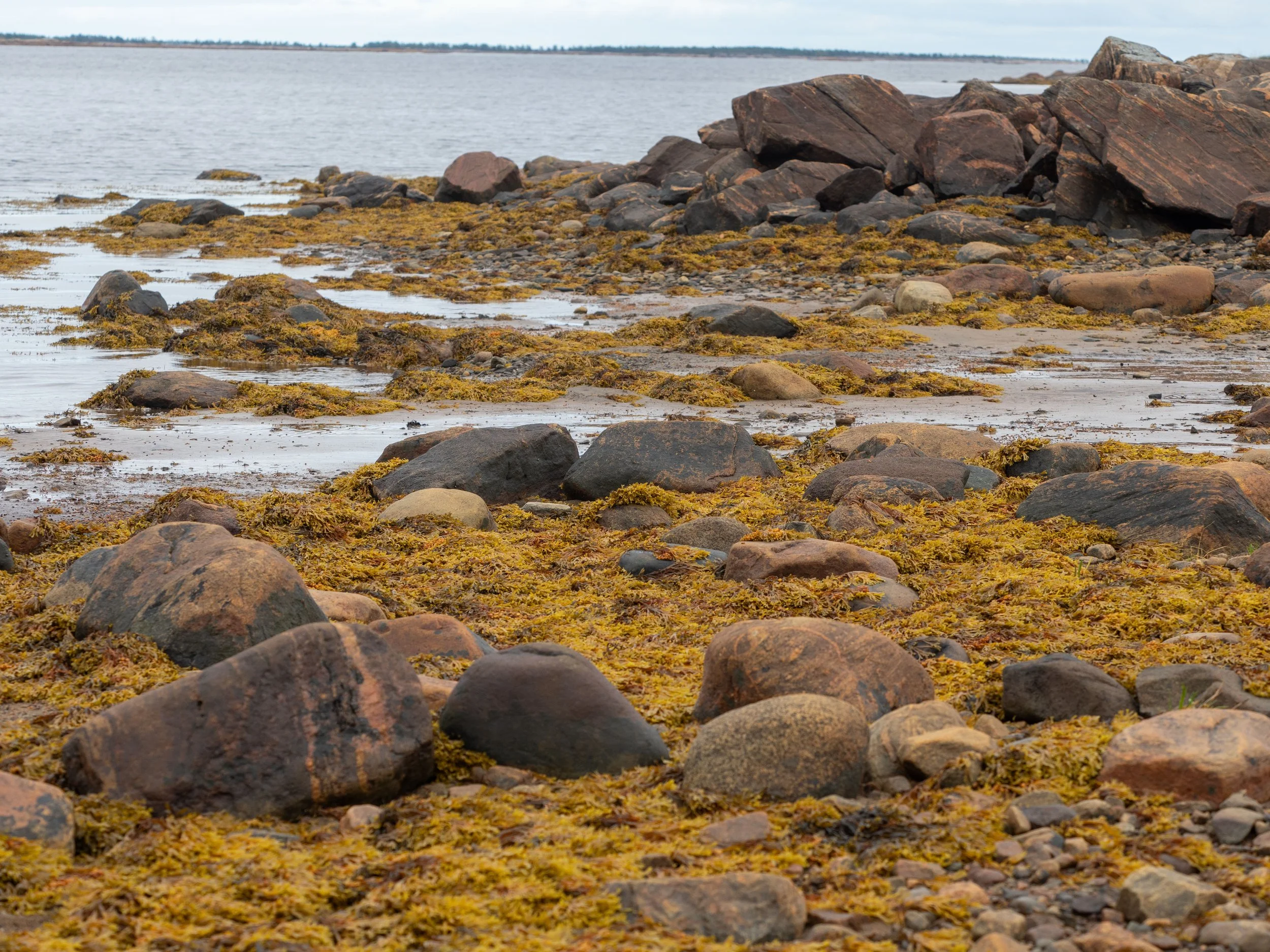
Rockweed (Ascophyllum nodosum) is one of the most common seaweeds along the coast of Maine. In sheltered coves, rockweed can grow to 20 - 30 inches in length. Air bladders along the branches of the plant allow the plant to float high in the water column as the tide comes and goes, so that it can maximize its ability to photosynthesize.
During storms or periods of high wave action, these long plants can break away from their anchors and float away. The wind and waves will then drive the seaweed up onto the shore during high tide, and it gets left there to dry out.
Many people harvest rockweed as packing material to ship lobsters and to serve as fertilizer in their gardens.
For further reading about rockweed, see this fact sheet and brochure from the University of Maine.