Sources of Curiosity
Questions from May 5 walk
Can mud absorb salt?
The short answer is: yes, it can — and the secret is hiding inside the mud itself.
Mud is made of tiny, tiny particles called clay. These particles are so small that millions of them could fit on the tip of your finger. But here's the cool part — clay particles carry a small electrical charge, kind of like a weak magnet. And salt is made of two parts (sodium and chloride) that also carry electrical charges.
Because of those charges, the clay particles in mud can grab onto the sodium from salt and hold it. Scientists call this "ion exchange," but you can think of it like Velcro — the clay and the salt stick to each other.
You can actually see this happening in nature! In salt marshes — the muddy, grassy areas where rivers meet the sea — the mud soaks up enormous amounts of salt from the tides, day after day. Salt marsh mud is one of the most amazing natural filters on Earth.
Here's a twist, though: if mud absorbs too much salt over time, it can actually change the soil and make it harder for plants to grow. So mud can handle salt — but only so much of it.
Next time you're near a marsh or muddy riverbank, you're looking at one of nature's own chemistry labs!
Want to Learn More?
"What Is Soil?" — NASA Climate Kids: climatekids.nasa.gov
"Salt Marshes" — NOAA Ocean Service: oceanservice.noaa.gov/facts/saltmarsh.html
"Cation Exchange in Soils" — Explained for students at Penn State Extension: extension.psu.edu/soil-cation-exchange-capacity
"The Secret Life of Dirt" — Dirt: The Scoop on Soil by Natalie Rosinsky (a great book for curious readers!)
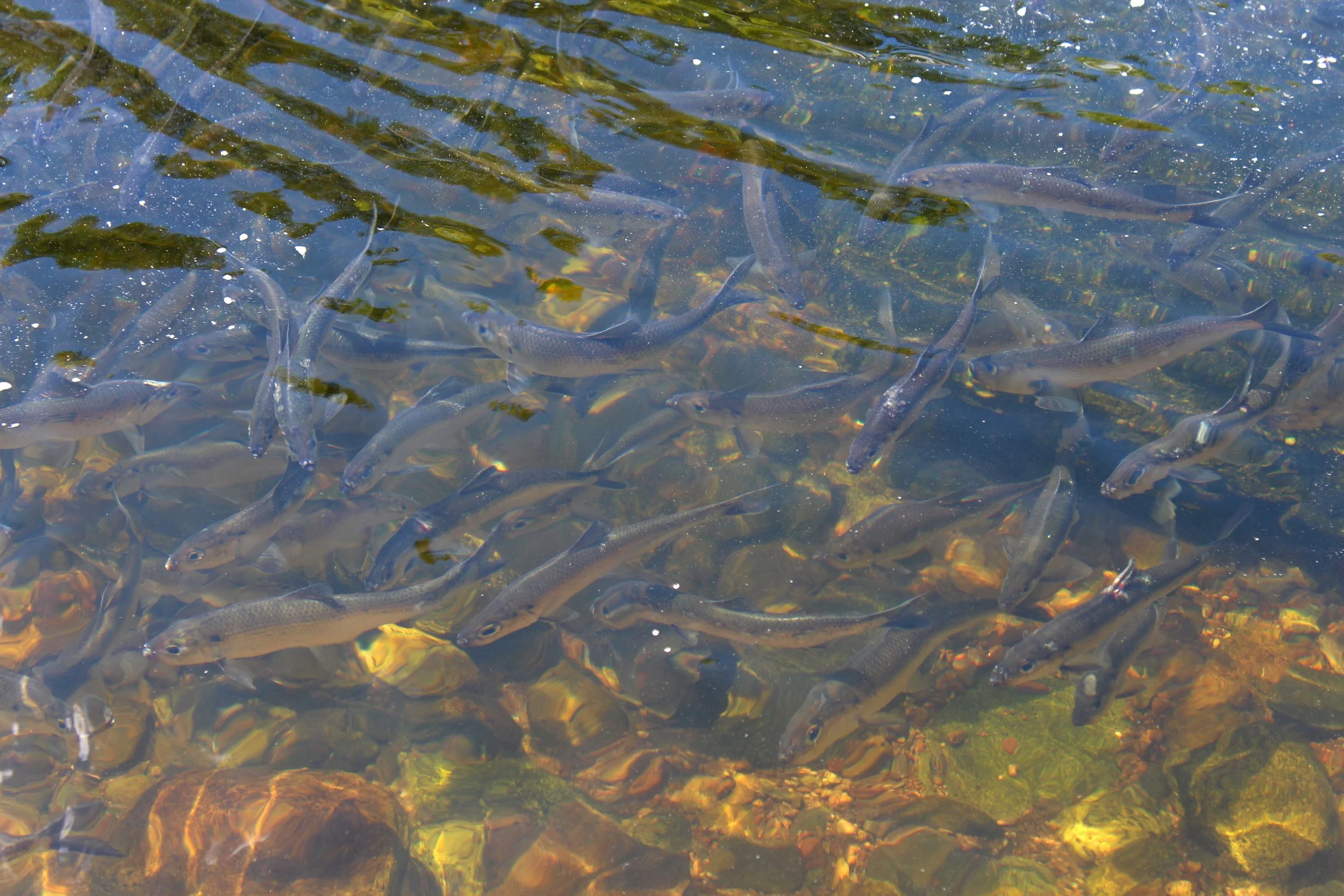
How do fish populations get re-established?
You watched something hard happen at our pond last summer. The salt water moved in, the oxygen dropped, and most of the fish didn't survive. That's a real loss — and it's okay to feel sad about it. But here's the hopeful part: nature is surprisingly good at coming back.
So how do fish return to a pond like ours?
The most common way is simply swimming in. The pond is connected to the upper marsh, and fish from nearby water can find their way in when conditions improve. They follow the flow, sensing fresher, cooler water ahead.
Here's a wild one: birds can carry fish eggs. Waterfowl like ducks and herons wade through ponds all the time, and sticky fish eggs can hitch a ride on their feet and feathers to a new pond. Scientists have confirmed this actually happens!
But fish can't come back to a healthy pond alone. First, the food web has to rebuild — tiny insects, aquatic plants, and other invertebrates need to return and multiply before there's enough to eat. Fish populations follow once the pantry is stocked.
Sometimes, if recovery is very slow, wildlife managers restock ponds by releasing fish raised in hatcheries.
Recovery takes patience — but it happens.
Want to Learn More?
"How Do Fish Get Into New Ponds?" — Pond Informer: pondinformer.com/fish-get-into-new-ponds
"Freshwater Fish and Habitat Recovery" — US Fish & Wildlife Service: fws.gov/fisheries
"Can Birds Carry Fish Eggs?" — BBC Wildlife Magazine: discoverwildlife.com
The Pond Book by Steve Parker — a wonderful guide to pond life and how pond ecosystems work
Do fish drink salt water?
Here's something that might blow your mind: it depends on where the fish lives.
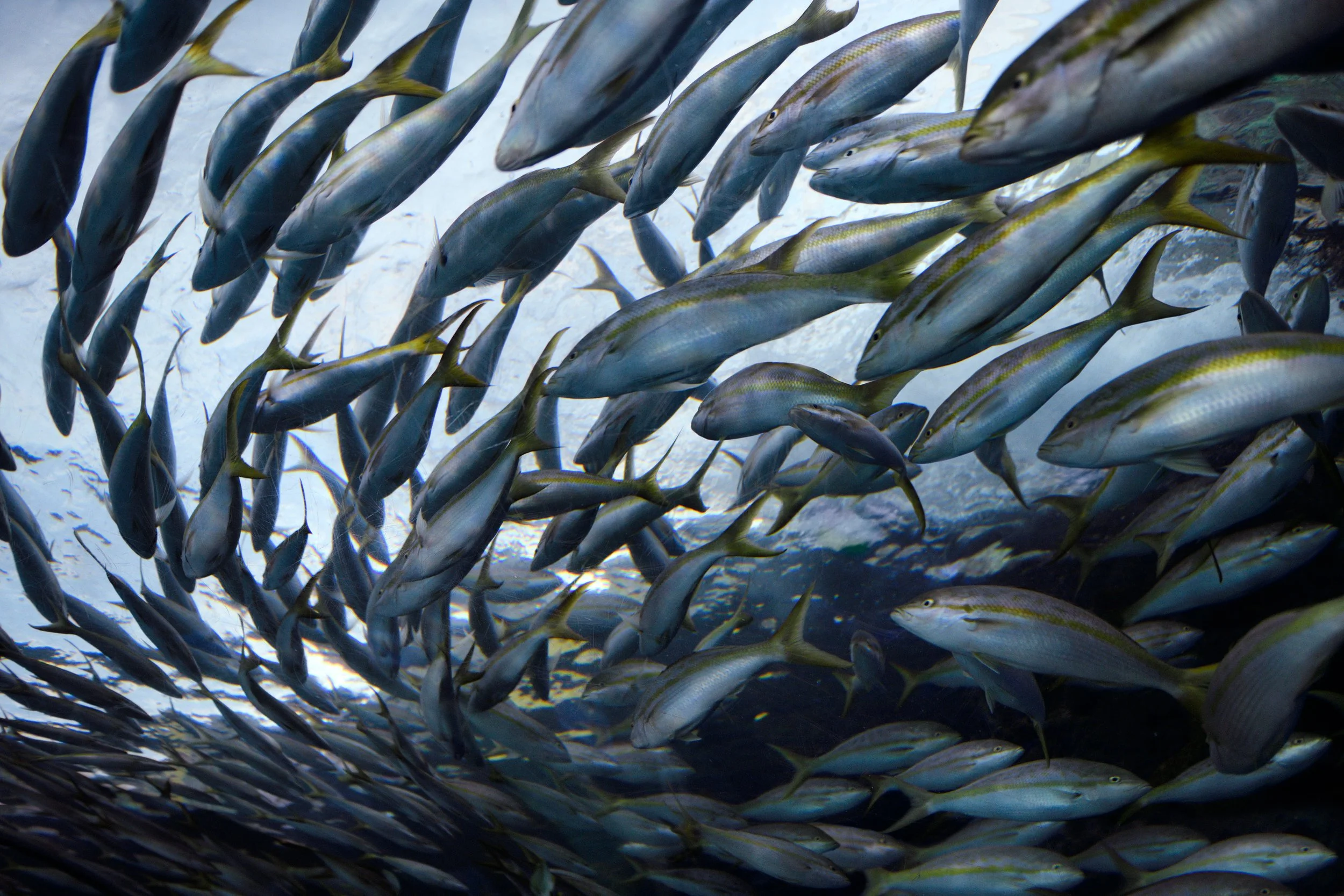
Saltwater fish — like the ones living out in the ocean — actually do drink water. Almost constantly. Here's why: when a salty fish is surrounded by even saltier ocean water, their body water slowly seeps out through their skin. (Water naturally moves toward the saltier side — it's a process called osmosis.) To keep from drying out, saltwater fish have to keep drinking. They take in seawater and their gills work hard to push the extra salt back out.
Freshwater fish — like the brook trout in a cold Maine stream — have the opposite problem. Water keeps flowing into their bodies because they're less salty than the water around them. So freshwater fish almost never need to drink. Instead, they produce a lot of watery pee to get rid of all that extra water coming in!
Some fish — like alewives and American eels — actually switch between salt water and fresh water during their lives. Their bodies have to completely reprogram how they handle water each time. Scientists think that's one of the most impressive tricks in the animal kingdom.
So next time you see a fish, remember: that little creature is doing some serious chemistry just to stay alive.
Want to Learn More?
"How Do Fish Live in Salt Water?" — NOAA Fisheries for Kids: fisheries.noaa.gov/contact/office-education
"Osmoregulation in Fish" — explained accessibly at Khan Academy: khanacademy.org
"Why Can't Most Fish Live in Both Fresh and Salt Water?" — Scientific American: scientificamerican.com
The Ultimate Ocean Encyclopedia by Sarah Kelsey — a great book for ocean-curious readers