Sources of Curiosity
Questions from March 10 walk
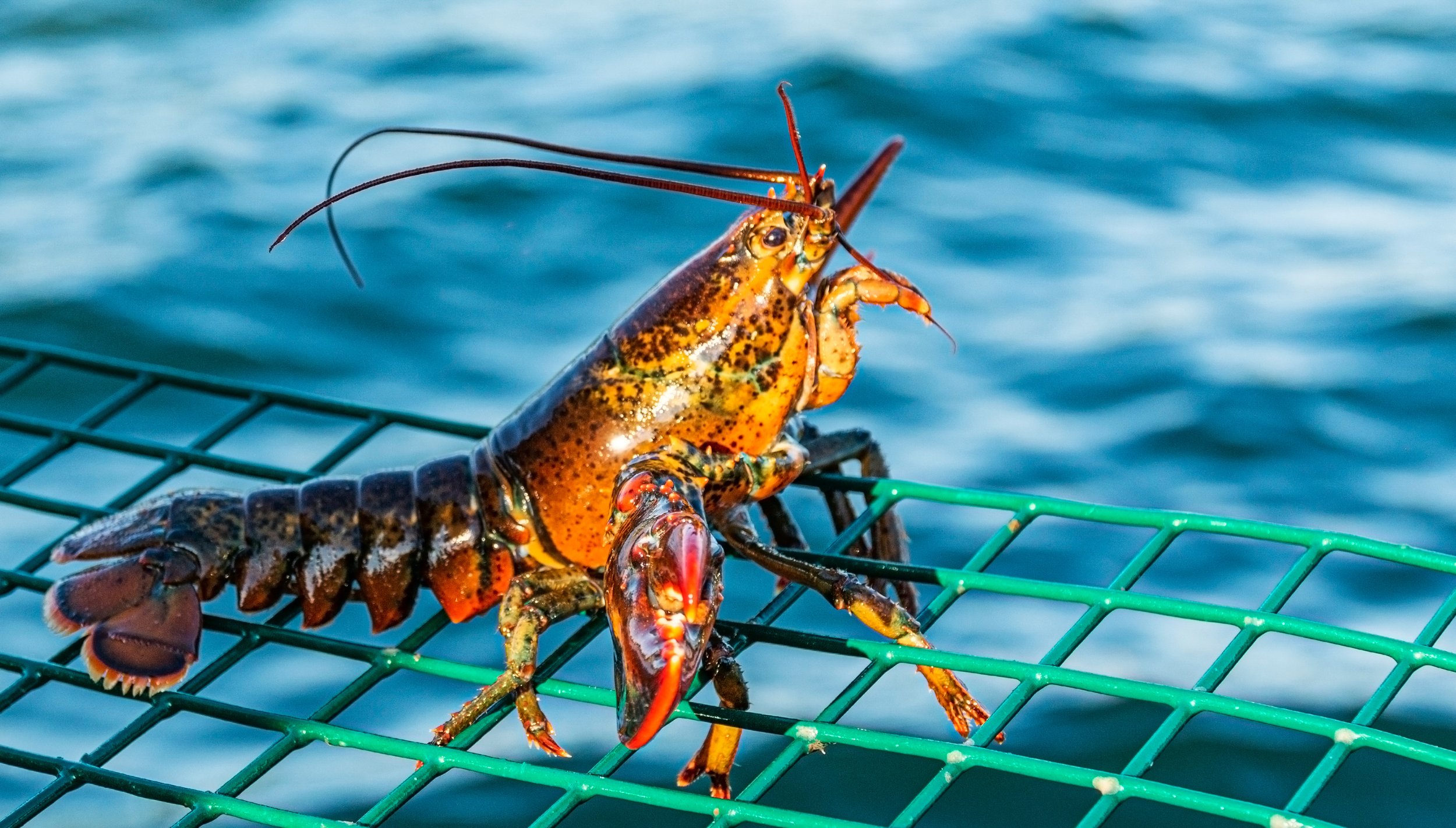
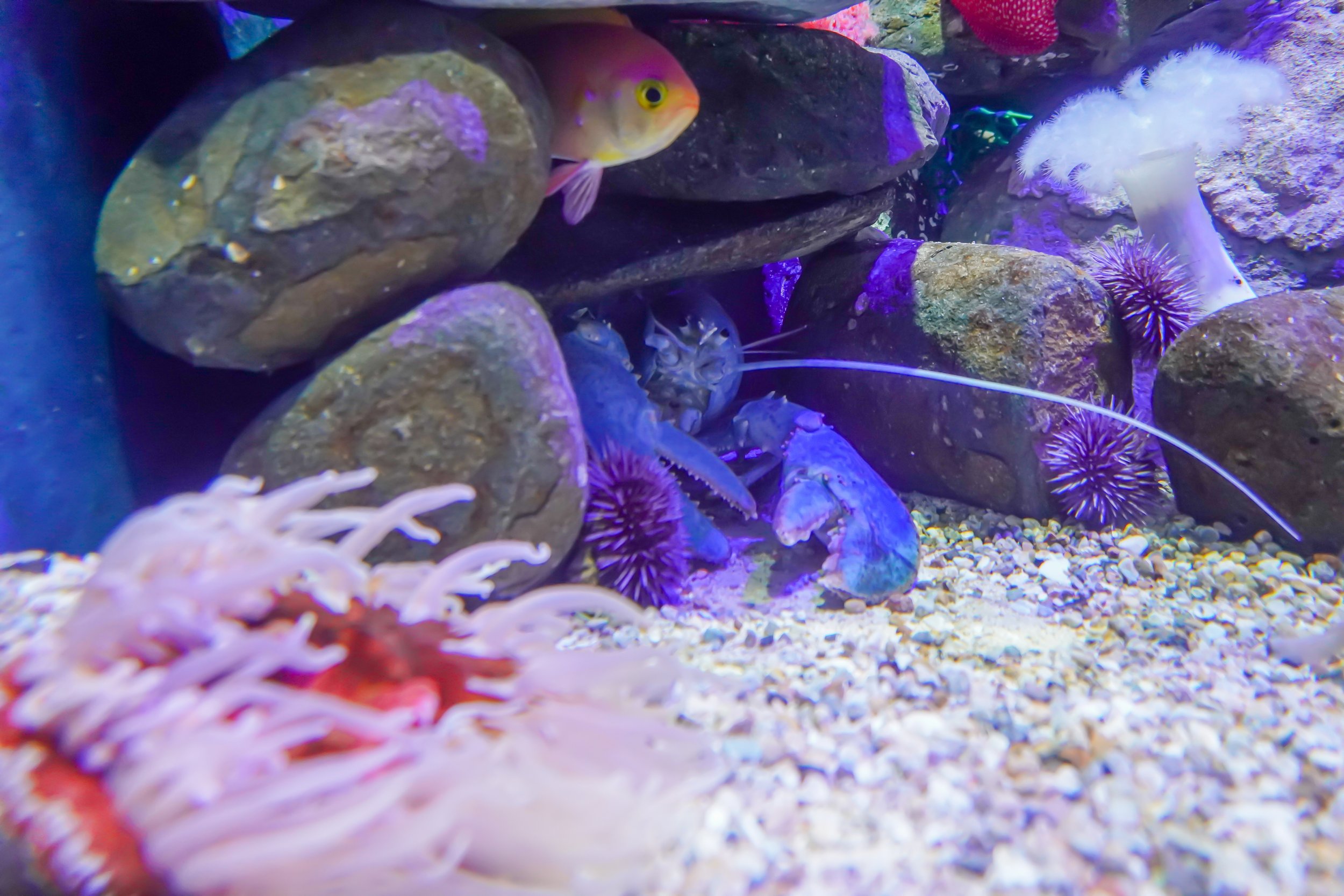
How do Lobsters hide when they shed?
Once lobsters reach maturity at roughly 5-8 years of age, the males will molt (shed) their exoskeleton every year. For the females, the timing is about every other year.
In the early summer, as the water temperatures warm and food is abundant, lobsters will seek shelter in rock crevices, dense seaweed beds, and kelp forests. They will typically back into their chosen shelter, leaving only their antennae exposed. Once secure in their shelter, the lobster undertakes several dramatic changes:
They secrete hormones that weaken their old shell at the point where the carapace and the tail connect.
They grow a new, paper-thin, flexible shell immediately beneath the old shell.
They ingest a large amount of seawater, which increases pressure within the shell and forces it to crack.
Once the old shell has split open, the lobster wriggles free and immediately ingests even more seawater to “inflate” the new shell and give the animal room to grow into its new shell.
It will take several weeks for the new shell to fully harden. Lobsters will often eat their old shells in order to ingest the minerals necessary to harden their new shell.
Female lobsters can only mate when they are newly shed, and their new shells are still soft. The female will carry the eggs for 9-12 months internally inside her tail and then for several additional months outside her body shielded by her swimmerettes.
For more information about lobster life cycles, see this information from the University of Maine.
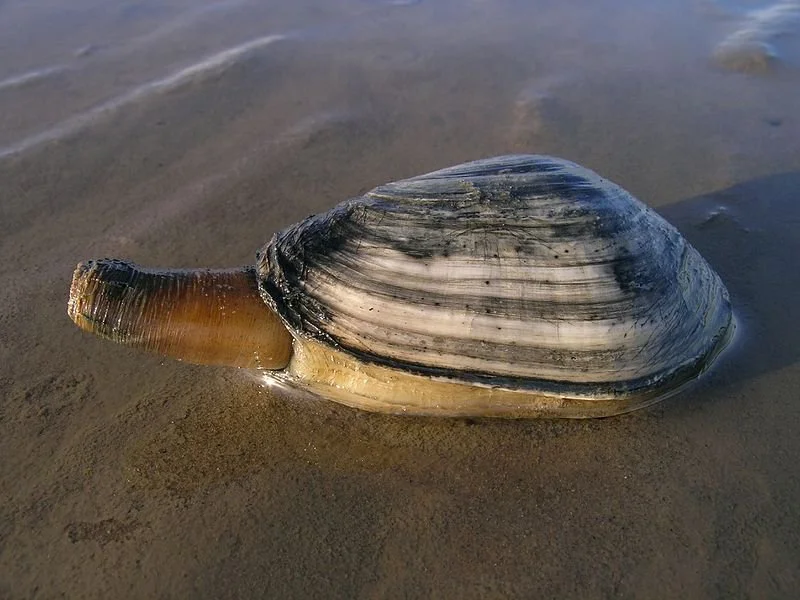
How deeply do sand clams burrow into the mud?
Soft shell clams typically will burrow four to eight inches into the mud. They do this by extending their muscular foot down into the mud and then engorging the foot with blood which draws the clam down into the mud. Razor clams can burrow into the mud very quickly and will often be found deeper in the mud.
While buried in the mud, clams extend their siphons (the neck of the clam when you are eating them) up to the surface of the mud. There are two tubes in their siphons; one draws water down into the clam, and the other expels waste and excess water back into the sea. Clams are filter feeders and filter the water for plankton and zooplankton that form their diet.
For more information on soft shell clams, see this article from the University of Maine.