Sources of Curiosity
Questions from May 26 walk
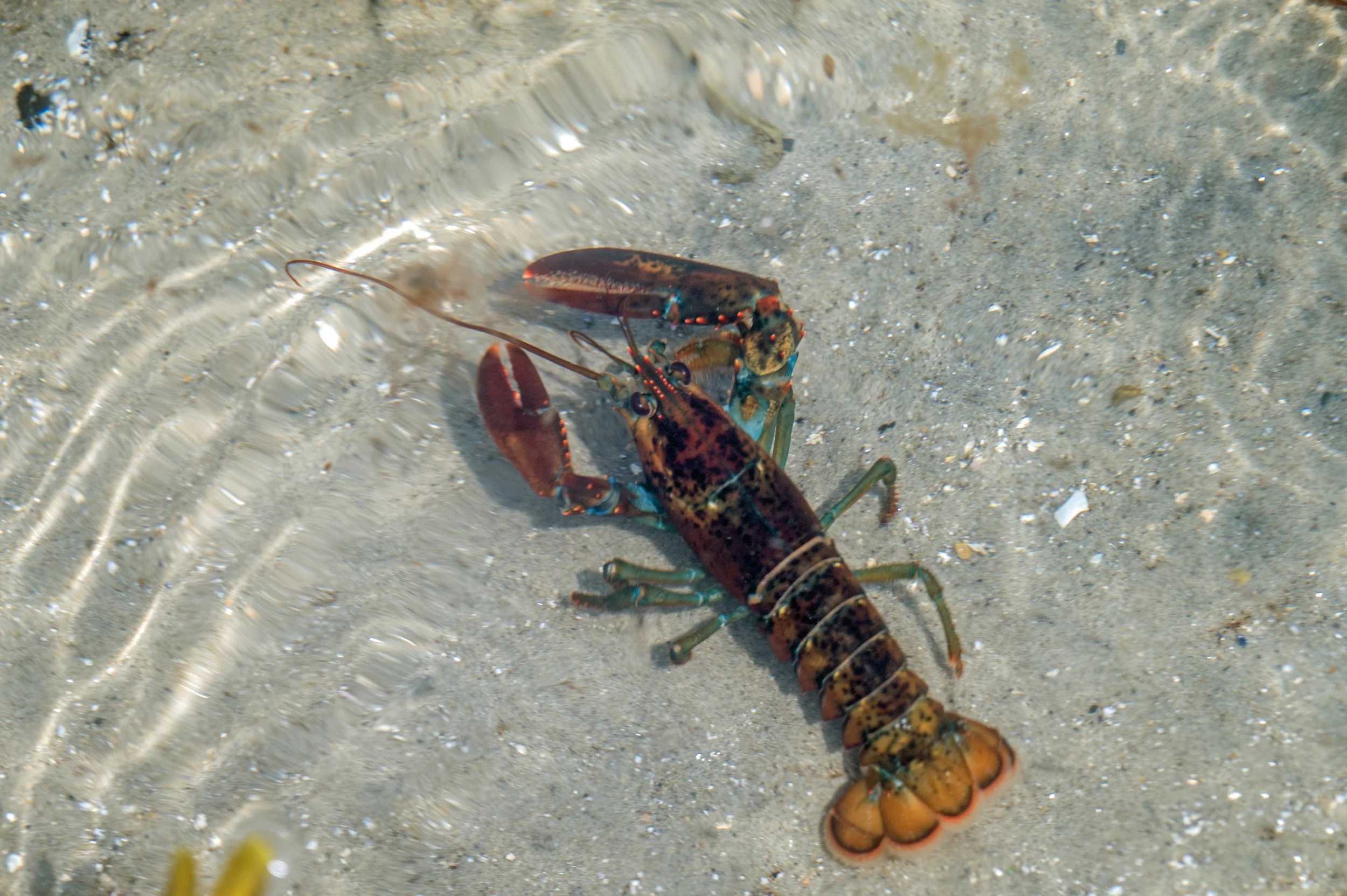
How long can a lobster live in fresh water?
Not long at all — we're talking hours, not days. In fact, putting a lobster in fresh water is pretty much a death sentence for the poor creature!
Here's why: lobsters are built for salt water, and their bodies depend on it in a really fundamental way. They use a process called osmoregulation — a fancy word for how animals control the balance of salt and water inside their bodies. A lobster's blood is naturally salty, and it needs the surrounding ocean water to stay balanced. Think of it like a see-saw that only works when both sides have the right weight.
When a lobster ends up in fresh water, that balance gets completely thrown off. Water rushes into the lobster's body (because water naturally moves toward saltier places), and its cells start to swell and stop working properly. Its gills — which it uses to breathe — also stop functioning the way they should. The lobster essentially drowns and its organs begin to fail, usually within just a few hours.
This is also why you can't keep a Maine lobster alive by tossing it in a lake or a bucket of tap water. They need that cold, salty Atlantic water to survive.
It's a great reminder of how perfectly matched animals are to their specific environments — change one thing, and the whole system falls apart!
Want to learn more?
Maine Sea Grant — lobster biology: seagrant.umaine.edu
National Geographic Kids — lobsters: kids.nationalgeographic.com
The Secret Life of Lobsters by Trevor Corson — a fantastic book about lobster biology and Maine lobstering
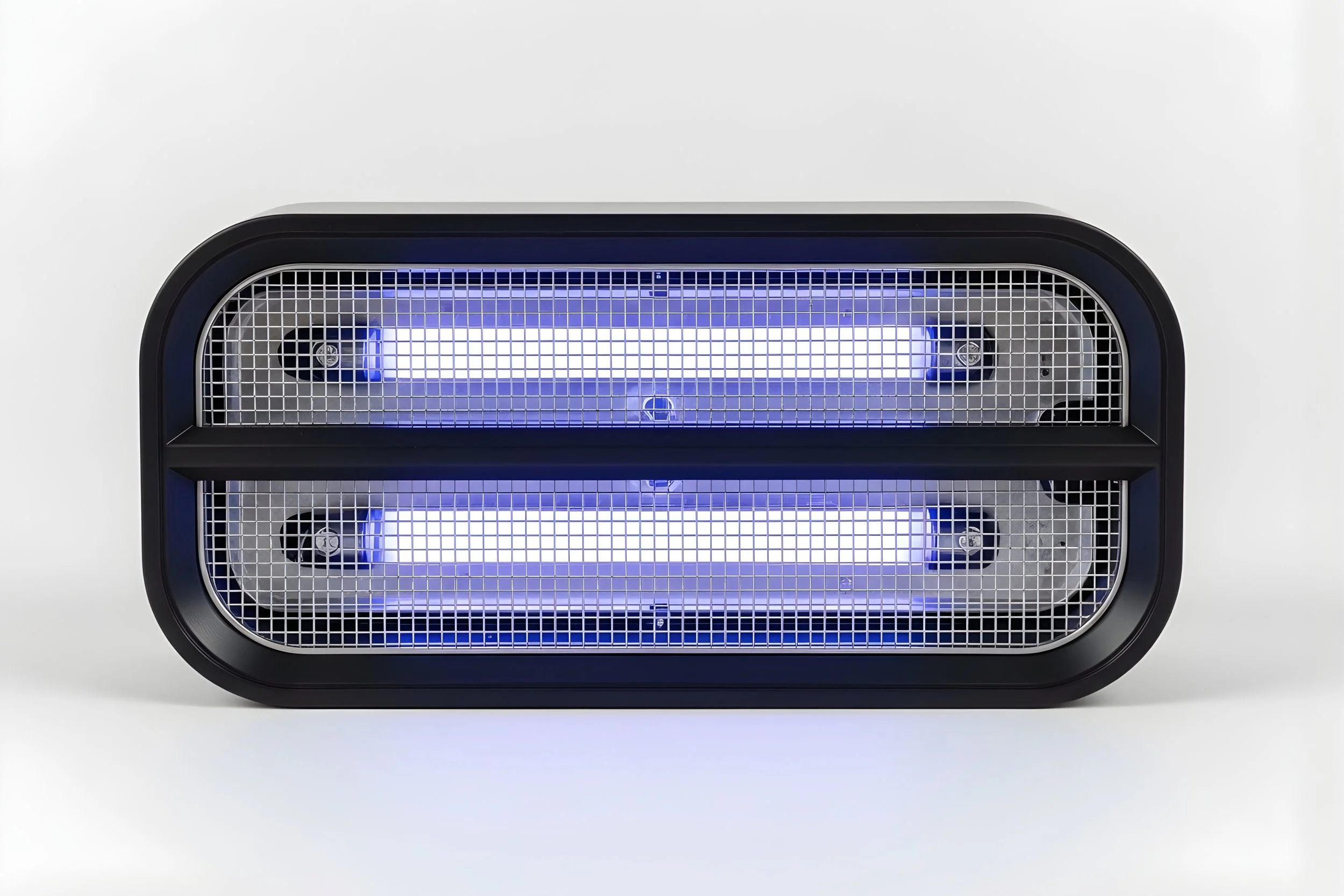
Can you use a car battery to create a bug zapper?
Technically, parts of this idea make sense — but please, don't try this at home! Here's the science behind why it's both interesting and dangerous.
A regular bug zapper works by using high-voltage electricity — usually several thousand volts — to create an electric grid that insects fly into. The jolt kills them instantly. The key word there is high voltage.
A car battery produces 12 volts of direct current (DC) electricity. That's actually enough to feel an unpleasant shock if you touch both terminals, but it's nowhere near the thousands of volts a bug zapper needs. So in its basic form, a car battery just doesn't have enough punch to zap bugs.
However — and this is where it gets interesting — with the right electronic components, you can step 12 volts up to much higher voltages. That's actually how some devices work. But doing this incorrectly can cause fires, explosions (car batteries produce flammable hydrogen gas!), or serious electrical burns. This is firmly in the category of leave it to the experts.
What's cool is that this question touches on real electrical engineering — how we transform and use electricity is one of the most important sciences of the modern world!
If you're curious about electricity and circuits, there are safe and awesome ways to explore that curiosity.
Want to learn more — safely!
National Geographic Kids: Electricity — kids.nationalgeographic.com
Snap Circuits or littleBits kits — great hands-on ways to learn electronics safely
Khan Academy — electricity and circuits: khanacademy.org
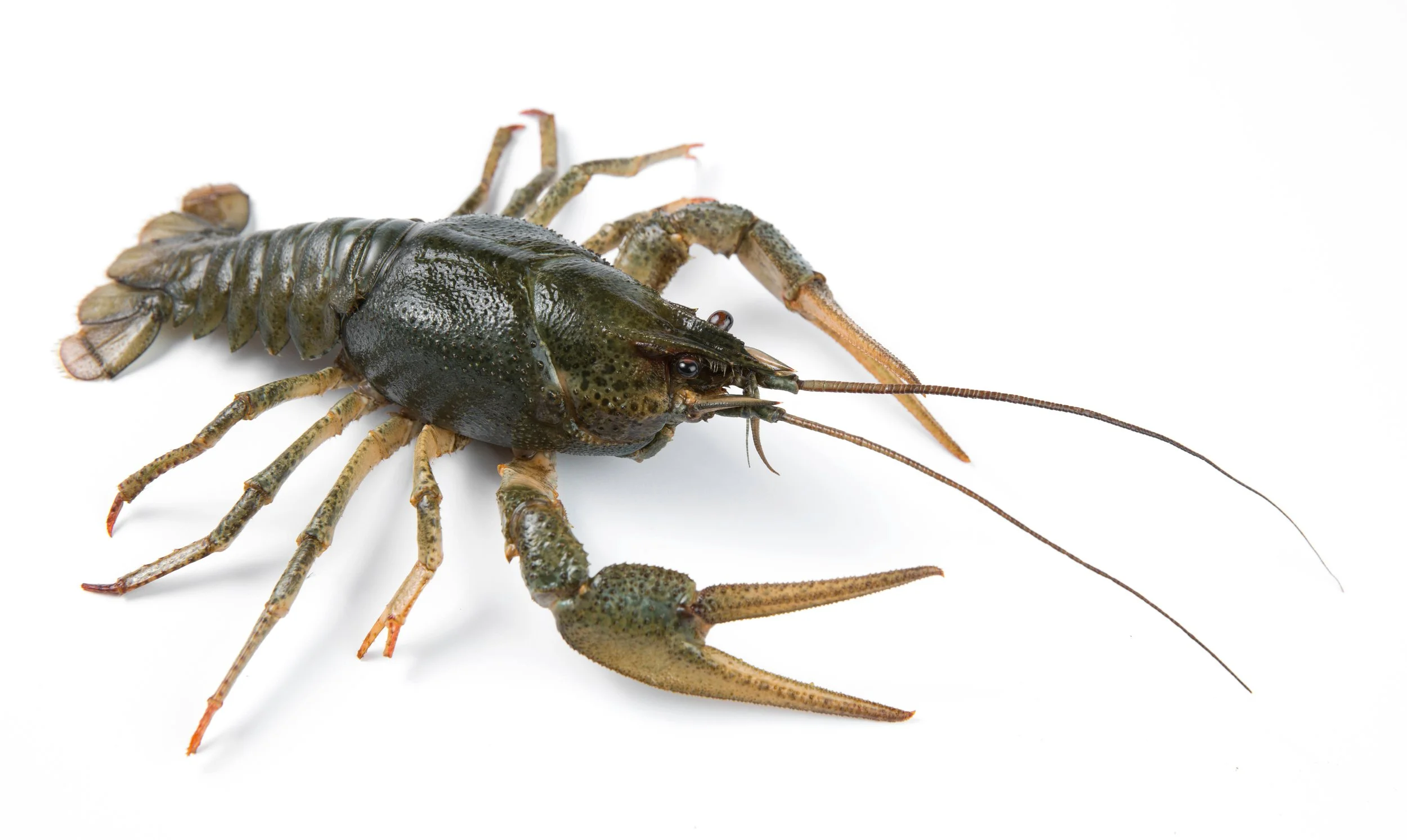
How long can a crawfish live in salt water?
This is almost the flip side of our lobster question — and the answer is surprisingly similar. A crayfish in salt water? Not long at all — just hours.
Crayfish and lobsters are actually cousins (both are crustaceans), but they evolved in completely different environments. Crayfish are freshwater animals, built to live in streams, ponds, and rivers — places like the ones right here in Maine! Their bodies are tuned to low-salt water, and they simply can't handle the ocean.
Remember osmoregulation — that balancing act between salt and water inside an animal's body? For a crayfish, the problem is the opposite of a lobster's. Put a crayfish in salt water, and water rushes out of its body toward the saltier surroundings. Its cells start to shrivel and dehydrate, even though the animal is surrounded by water. It's a bit like being stranded in the desert — water everywhere, but none your body can use.
The gills stop working, organs begin to shut down, and the crayfish typically dies within a few hours. Some species might hang on a little longer if the water is only slightly salty, but true ocean saltiness is quickly fatal.
This is why you'll find crayfish under rocks in your local brook, but never at the beach — every animal has its perfect place!
Want to learn more?
University of Maine Cooperative Extension — freshwater life in Maine: extension.umaine.edu
Maine DEP — freshwater biology: maine.gov/dep
Crayfish by franc Thibaudeau & Norman Holdich — a solid deep-dive into crayfish biology