Sources of Curiosity
Questions from February 3 walk
Why do some trees shed snow better than others?
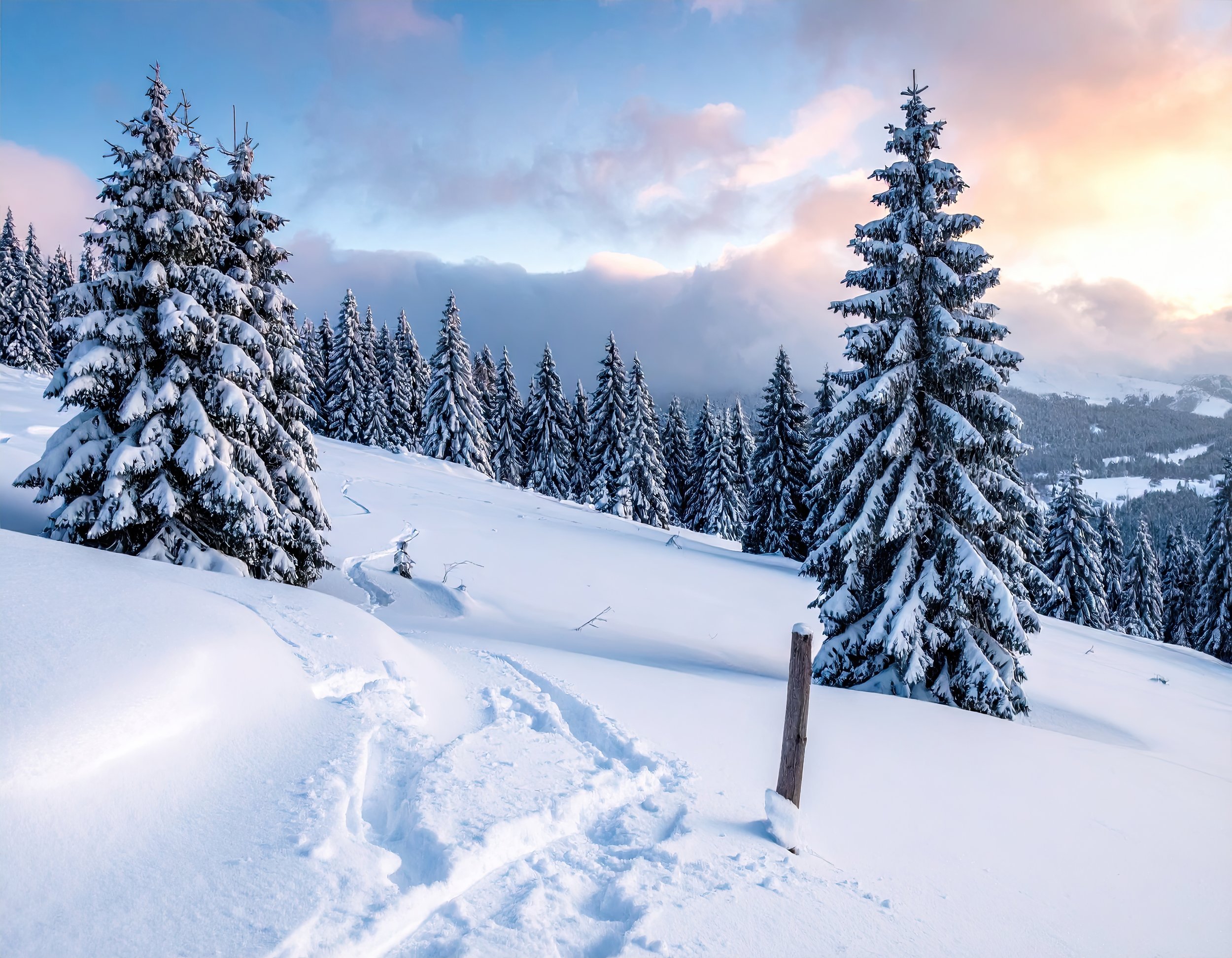
Trees that developed in cold and snowy climates adopted several strategies to deal with long winters with short days, cold temperatures, and lots of snow. Many conifers of the boreal forest, such as spruce and fir, have evolved to have shorter, flexible branches that can easily shed heavy snow loads. The conifers have also adopted a strategy of short needle-like leaves with a waxy covering and anti-freeze types of compounds in their leaves and sap that ensure that the trees do not freeze when the temperatures get very cold.
For further reading, see this article from the Michigan State extension service.
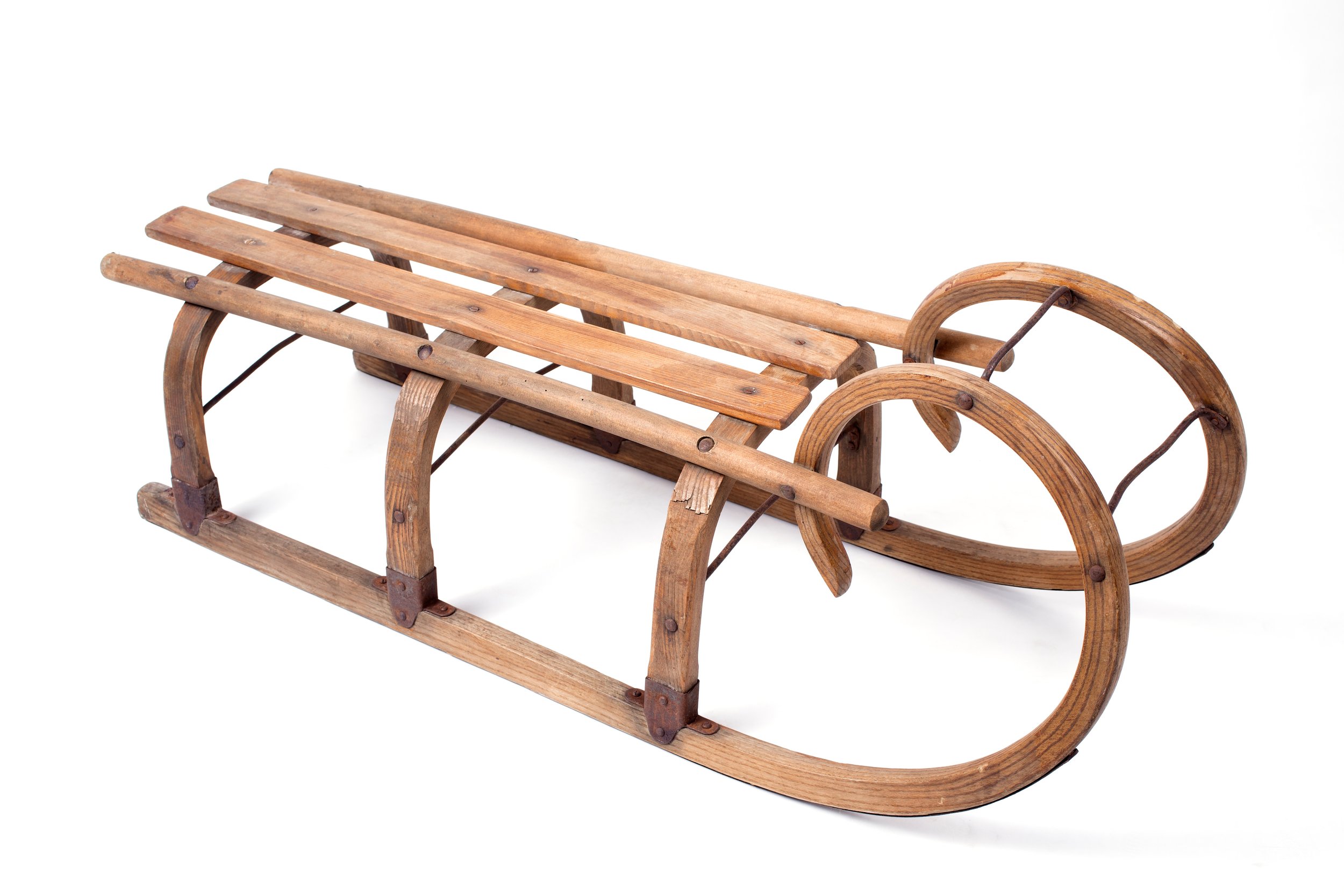
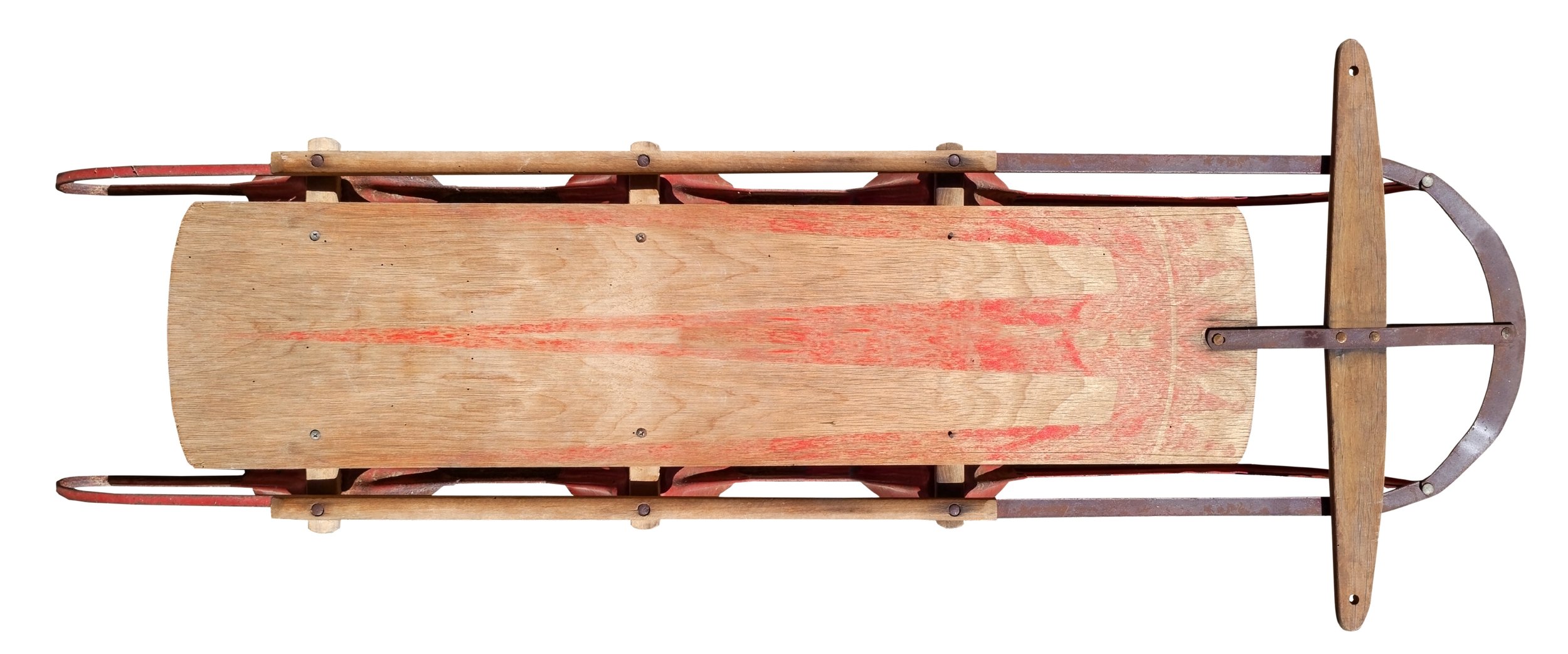
What was the first sled?
The idea of sleds has been with us practically since we became human. There is evidence of humans dragging loads behind them on sticks in White Sands, New Mexico, that dates back at least 22,000 years.
In snowy conditions, humans have often enlisted other animals to help drag their sleds. There is evidence of sleds being pulled by dogs that is around 10,000 years old, and certainly draft animals such as horses and oxen were often used to pull sleds.
Through most of history, the design of sleds had two runners with a raised set of bunks or a platform over the runners. Modern plastic sleds did not come to market until the late 1950s and 1960s led by designs like the flying saucer.