Sources of Curiosity
Questions from October 7 walk
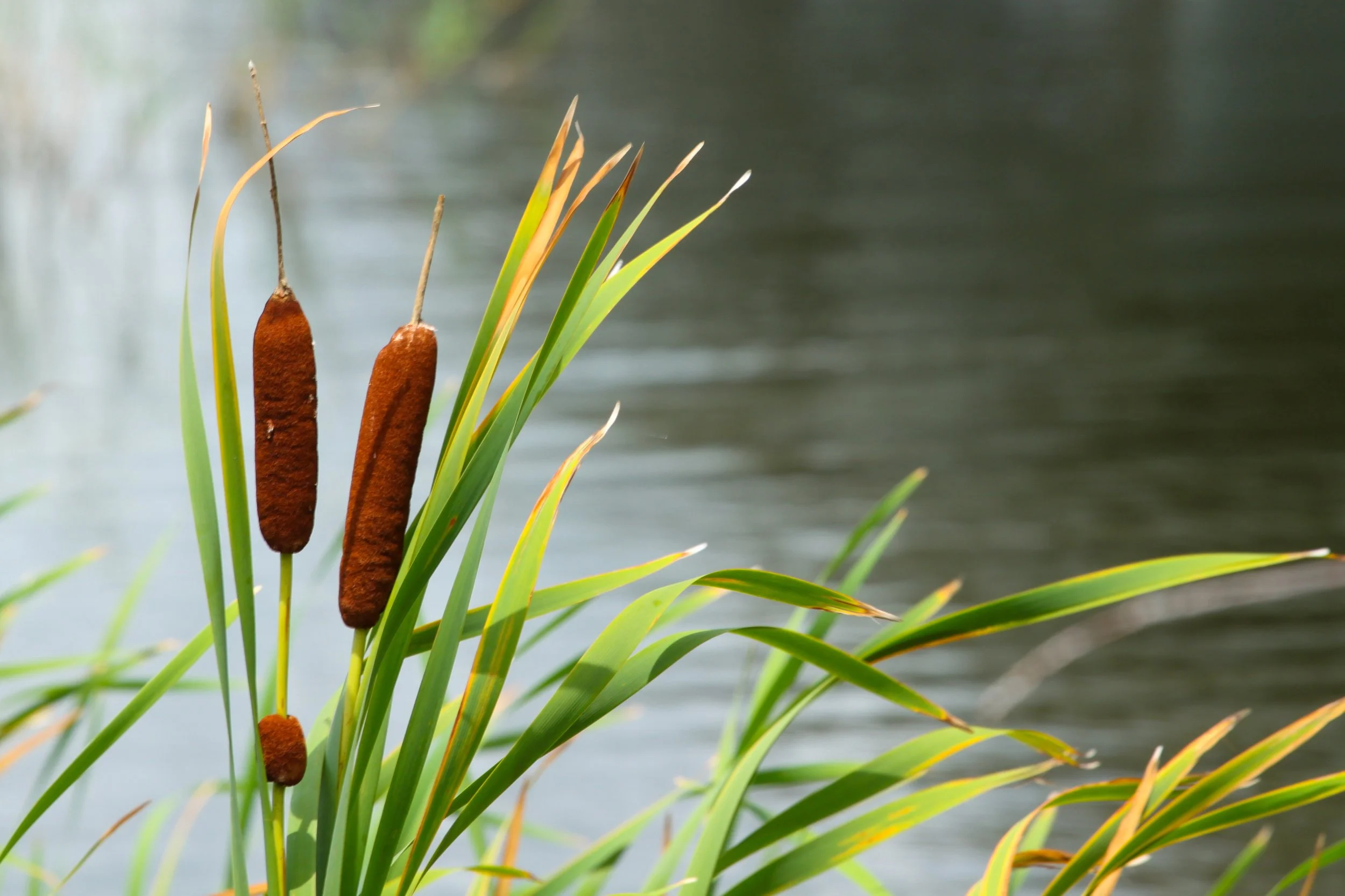
How many of a cattail’s seeds actually become plants?
A single cattail plant can produce over 250,000 seeds in a single season. While germination rates in the lab can be over 50%, in the wild, far less than 1% will germinate. Of those, most will be lost to different factors.
The cattail's primary method of reproduction is through rhizomes, which allow cattails to spread rapidly once established.
Many parts of the cattail can be eaten at different times of the year, and indigenous people used the cattail leaves to weave mats and baskets..
What is mud made of?
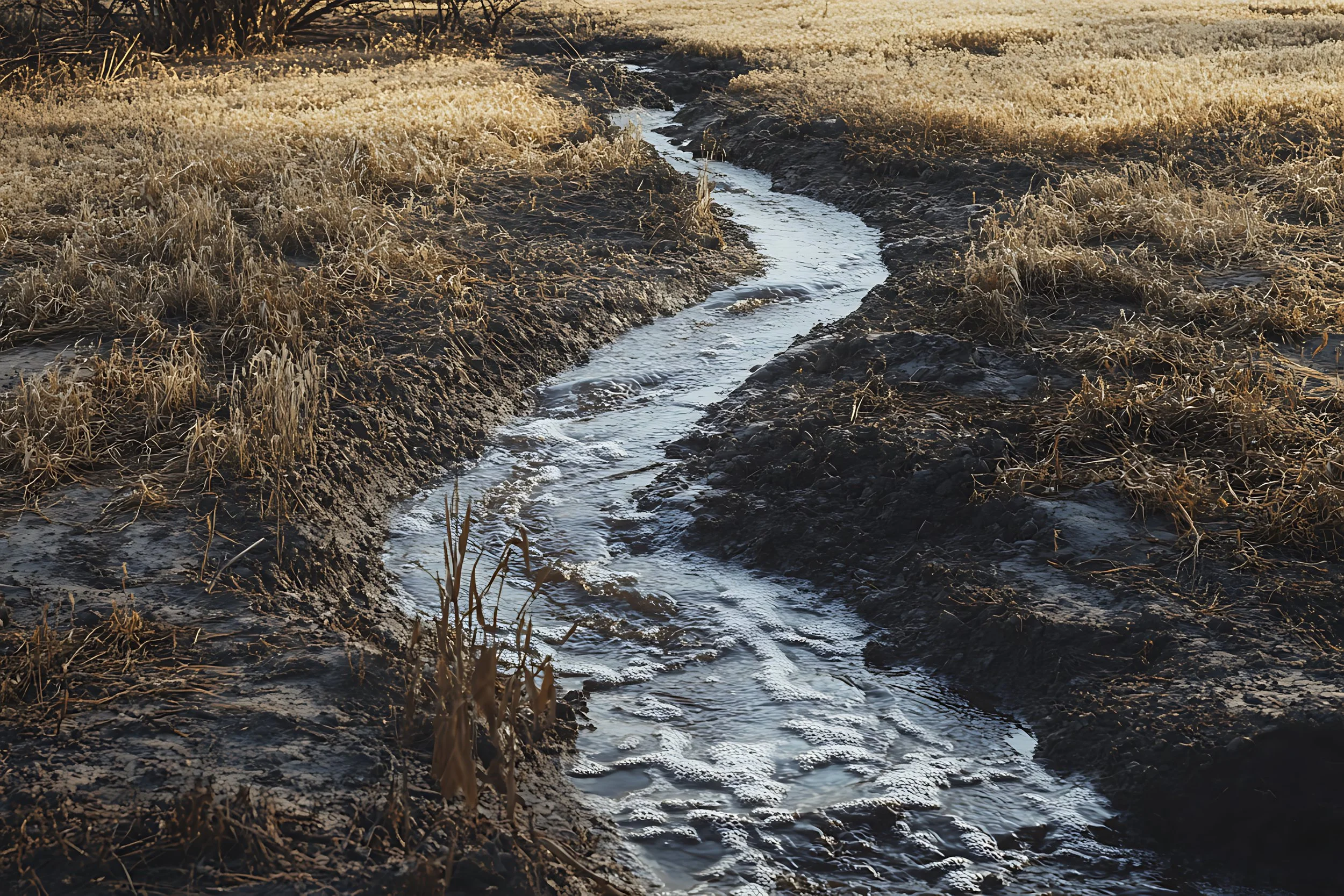
Freshwater marsh mud is a mix of mineral soil (like sand, silt, and clay) and a high amount of dark, organic matter from decaying plants and animals. Because of the waterlogged, low-oxygen (anaerobic) conditions, decomposition is slow, causing organic materials to accumulate over time.
Mineral components:
The inorganic part of the mud comes from mineral soils, which are composed of materials like sand, silt, and clay.
Organic components:
The mud is rich in organic matter from the slow decay of plant and animal remains. This material includes roots, algae, and other debris, which gives the mud a dark, mucky, and sometimes pungent smell.
Learn more about freshwater marshes from the Maine Natural Areas Program.