Sources of Curiosity
Questions from December 8 & 15 walks
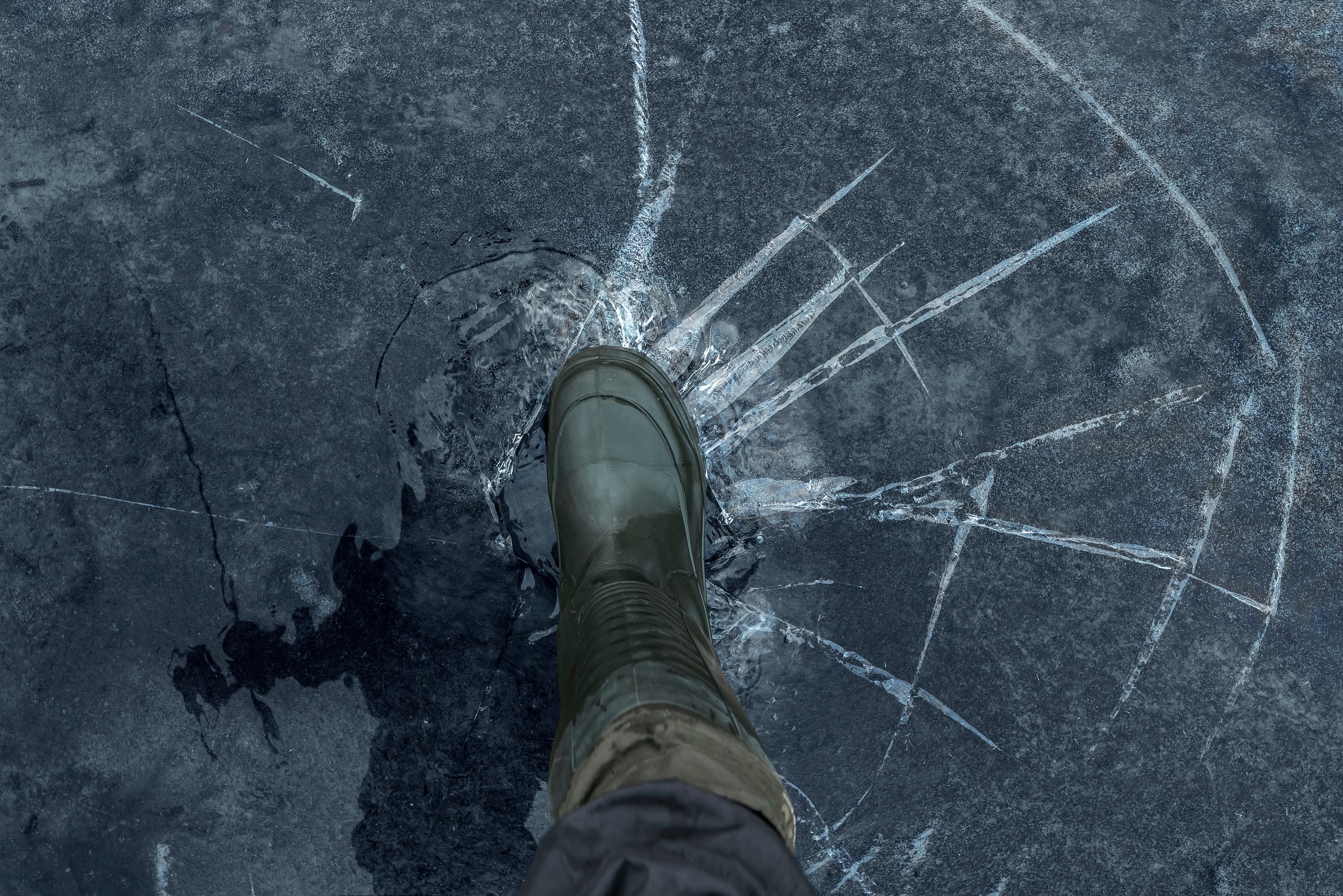
How quickly does Ice Form on ponds & lakes?
Ice begins to form on freshwater ponds and lakes when the water surface temperature drops below freezing (32 degrees F.) Seawater freezes at about 28 degrees F. Because the salinity of the lower marsh is higher than fresh water, we can expect that the lower marsh will freeze more slowly than pure fresh water.
As long as the temperatures are between 15 and 25 degrees, we can expect that ice will thicken at a rate of nearly an inch per day. When the temperature drops below zero, that rate can increase to two inches per day.
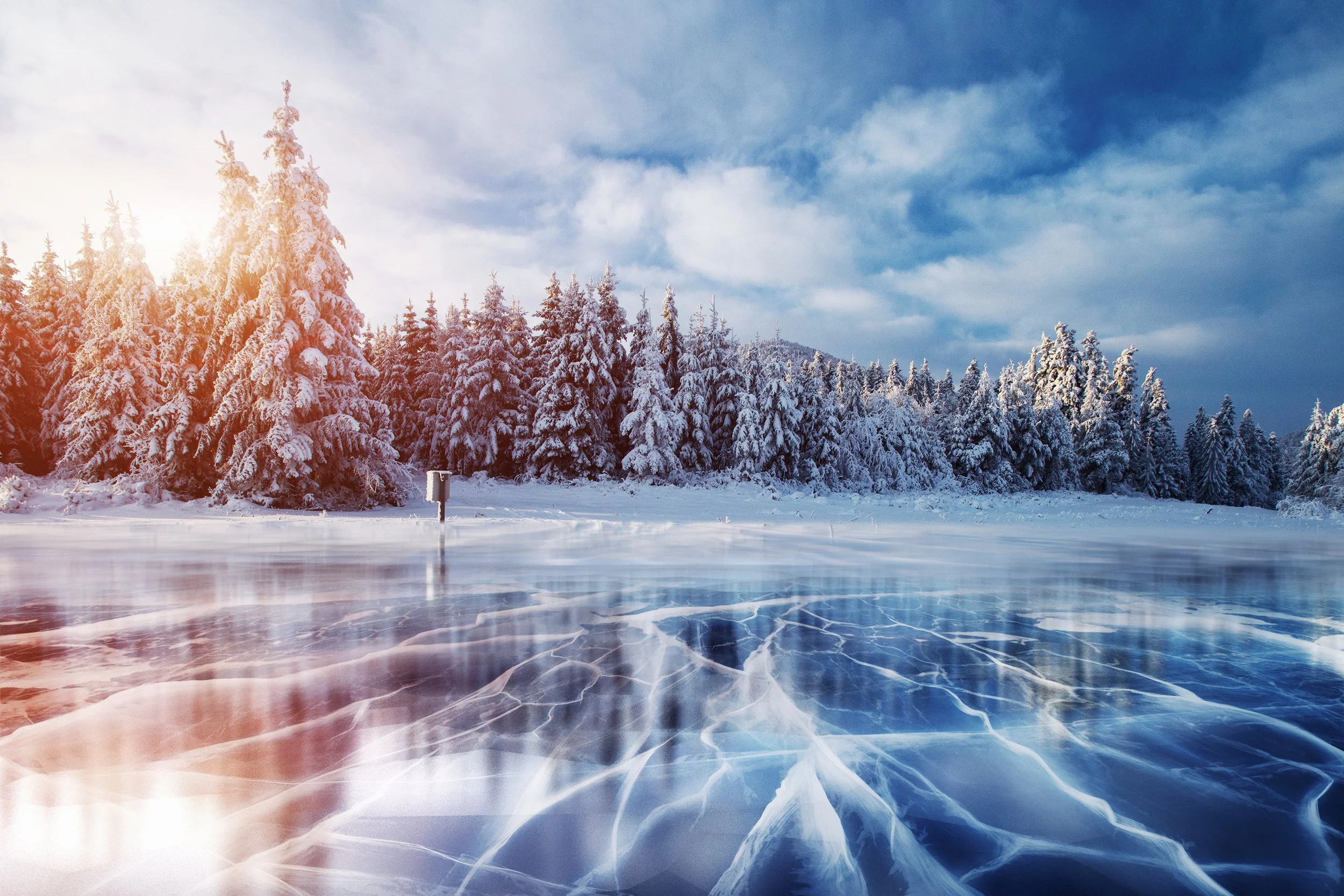
How thick must the ice be to be safe?
As a general rule, ice should be at least 4” thick for walking, ice fishing, and skating. At least 6” to 8” for a snowmobile or an ATV.
Please review these ice safety resources from the Maine Department of Inland Fisheries and Wildlife.
Please watch these videos about ice rescue:
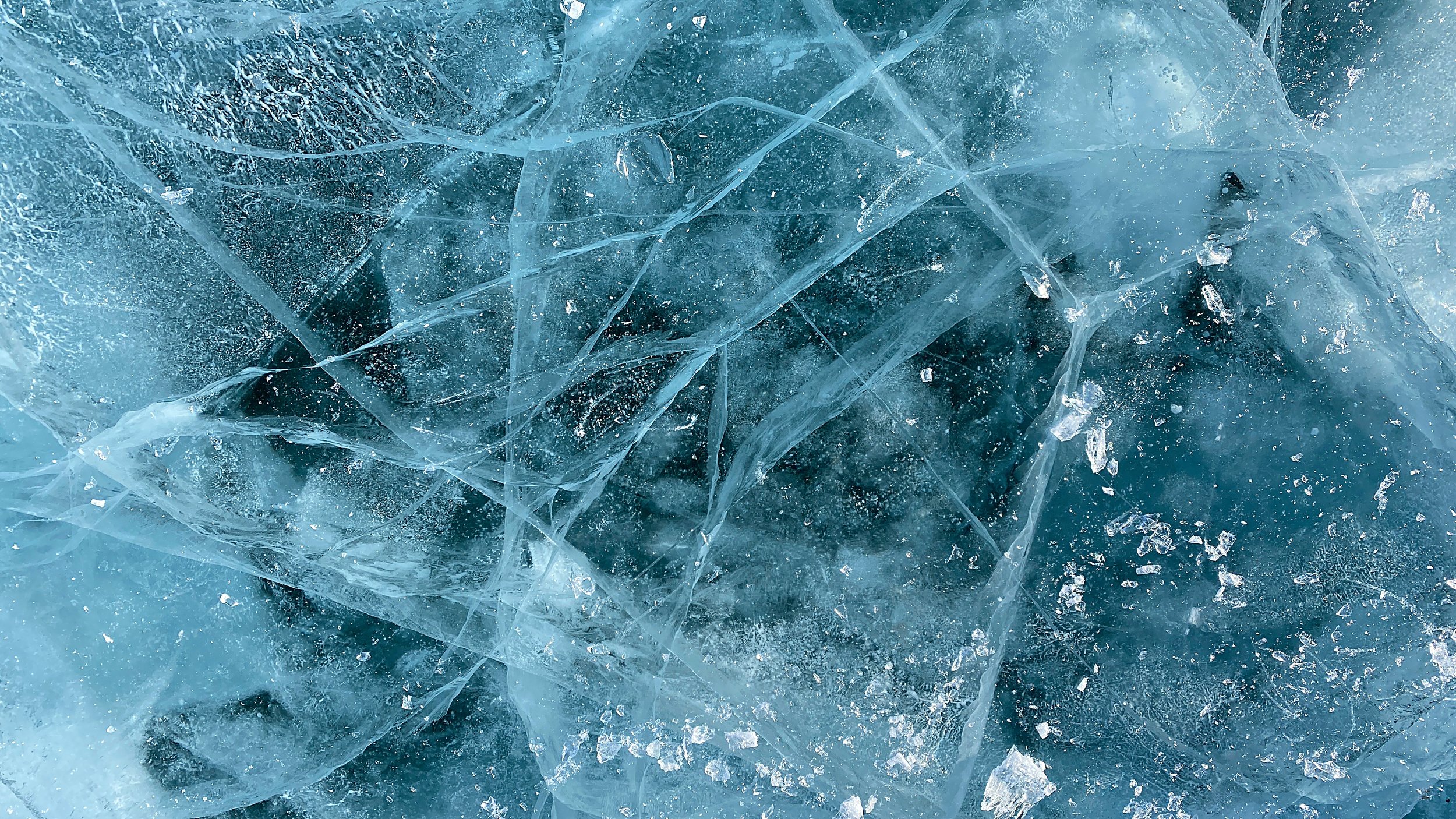
Why does the ice make so much noise?
Ice makes noise for several reasons:
Temperature Changes - expansion & contraction
Ice behaves like a giant, flexible sheet. When temperatures drop, it contracts; when they rise, it expands.
These movements create stress within the ice.
When the stress exceeds what the ice can flexibly handle, it cracks, producing creaks, groans, or sharp booms.
This is why you often hear the most noise:
At sunrise (warming)
At sunset (cooling)
During rapid cold snaps
When the ice is clear of snow, which lets sound travel farther
Ice Growth & Pressure
As water freezes, it expands by about 9%, creating enormous pressure on the surrounding ice sheet and shoreline.
When the pressure becomes too great, the ice fractures, sending sound waves across the surface.
This can even cause “ice quakes” during extreme cold snaps when the ice thickens rapidly and stresses build up faster than they can dissipate.
Ice behaves like a vibrating membrane.
A frozen lake acts like a giant drumhead.
When a crack forms, the vibration travels across the ice sheet, creating long, echoing groans or laser‑like “pew” sounds.
Clear, snow‑free ice amplifies these sounds dramatically
See these resources for more about ice noise: