Sources of Curiosity
Questions from January 5 walk
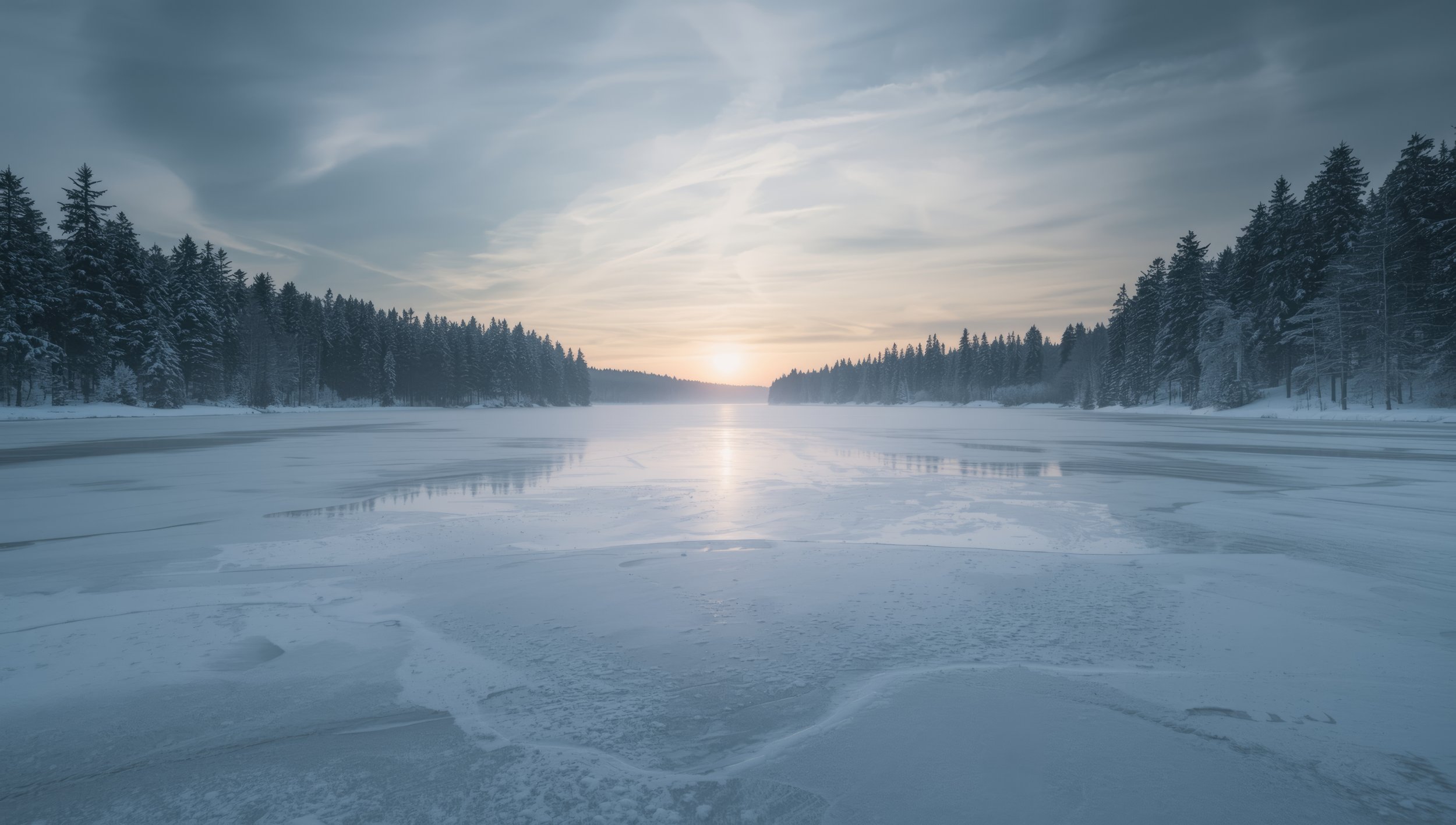
What is the lowest temperature ever recorded in Maine?
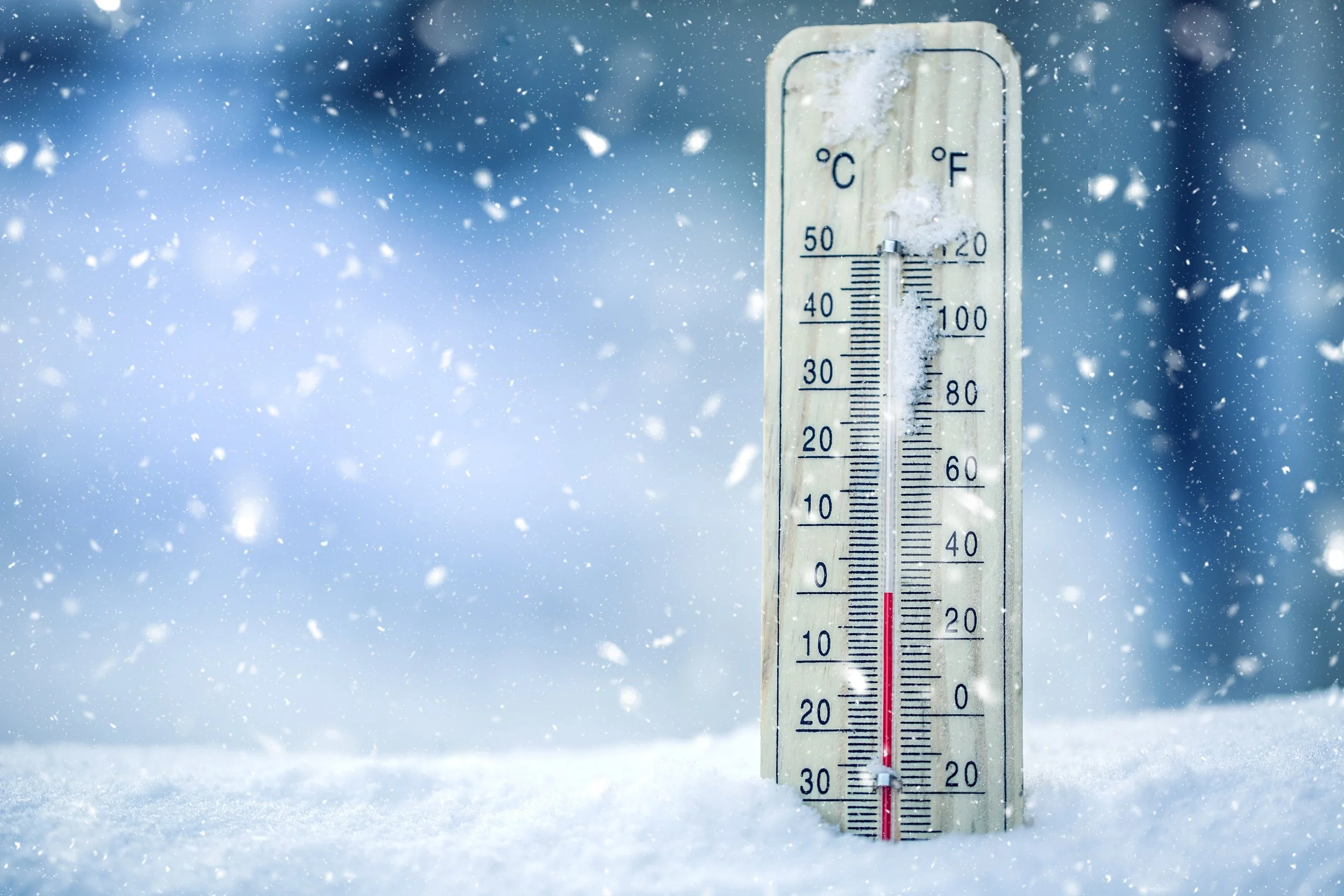
Maine’s all‑time coldest temperature is an astonishing −50°F, recorded at the Big Black River on January 16, 2009. That reading—deep in the North Woods near the Quebec border—remains the state’s official record and ties Maine with New Hampshire and Vermont for the coldest temperature ever documented in the Northeast.
What are the signs of ice that may be unsafe?
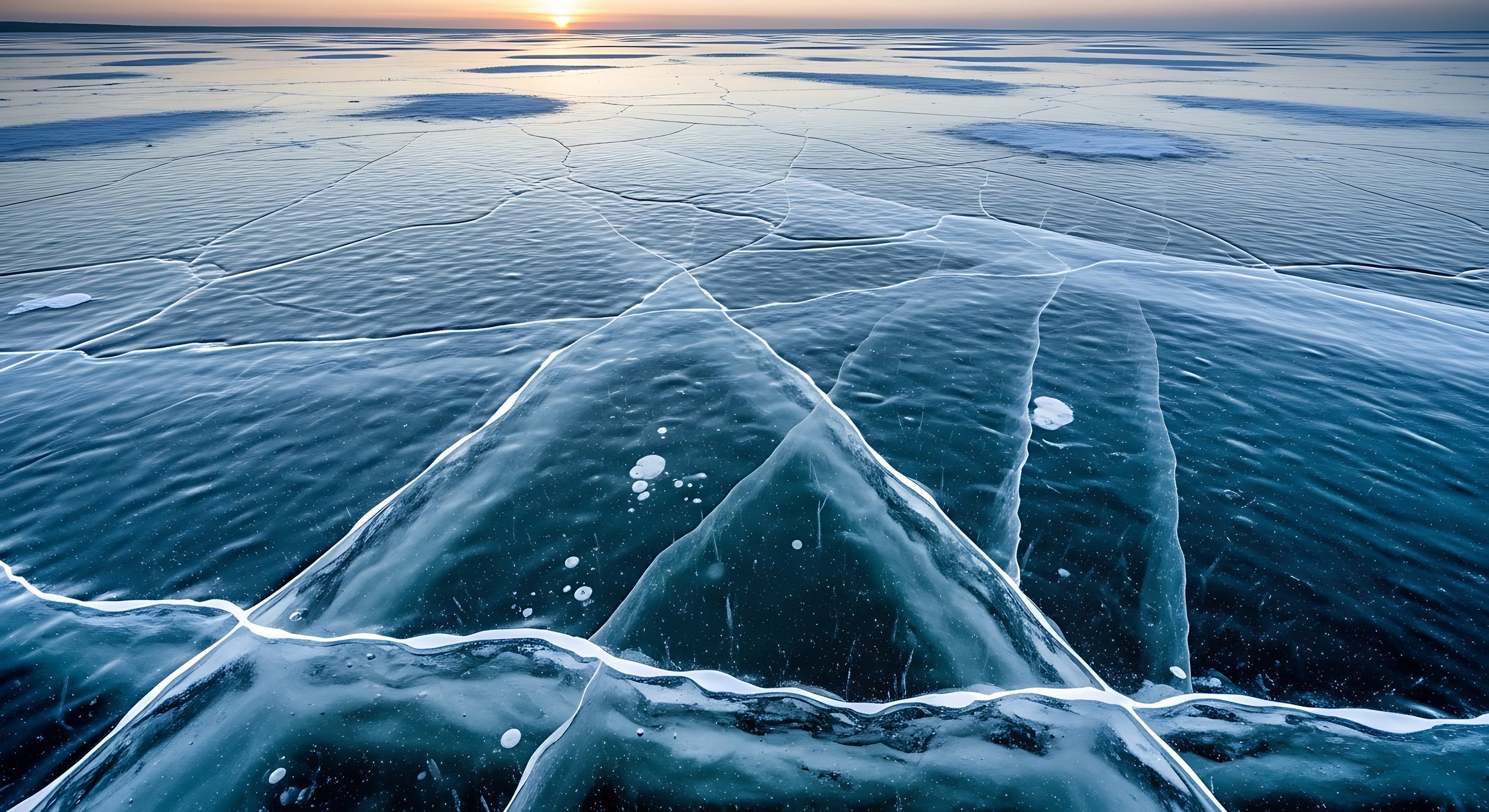
Weak lake ice almost always reveals itself through changes in color, texture, and behavior underfoot — especially gray, slushy, or “honeycombed” ice, cracked or soft shorelines, water pooling on the surface, or ice that reacts dramatically when you step on it. These signs are especially important on Maine ponds, where currents, springs, and tidal influence (in estuarine areas) can create sudden weak spots.
Below is a clear, field‑ready guide grounded in authoritative sources.
🧊 Key Signs of Weak or Unsafe Lake Ice
🎨 1. Ice Color That Signals Danger
Light gray to dark black — melting, water‑soaked, structurally weak
White or opaque — refrozen snow with air pockets; weaker than clear ice
Mottled, slushy, or “rotten” ice — honeycombed texture, often in spring; may look thick but is failing internally
🪨 2. Shoreline Ice That’s Soft or Broken
Cracked, squishy, or pulled‑away edges indicate the entire sheet has lost support
Shorelines warm faster than open water, so edge ice is often the first to fail.
🧵 3. Cracks That Radiate When You Step
If fractures shoot outward from your boots, the ice is under too much tension and is too thin to support weight.
💧 4. Water Pooling on Top
Puddles on the surface mean the ice is melting from below or flexing under pressure, allowing water to seep upward — a major warning sign.
🧊 5. Slush, Soft Spots, or “Candle Ice”
Slushy patches or vertical, grainy ice crystals (“candling”) indicate internal decay and rapid weakening.
🌬️ 6. Areas with Currents or Moving Water
Avoid inlets, outlets, springs, culverts, bridges, and pressure ridges — moving water prevents uniform freezing and creates hidden thin spots.
🌡️ 7. Warm Weather or Recent Thaws
Even if air temps dip back below freezing, thawed ice does not regain its original strength.
Dark snow or dark ice absorbs heat and weakens faster.
🧭 Quick Field Checklist for Maine Ponds
Before stepping onto ice, check:
Color: Clear blue/black = strongest; gray/white = weak
Shoreline: Firm or soft? Any gaps?
Surface: Slush? Water? Cracks?
Thickness: Test every few steps with a chisel or auger
Context: Nearby streams, tides, or springs?
Weather: Recent warm spell? Snow load? Wind?
Is black ice stronger than white ice?
Yes — clear “black” ice is generally much stronger than white ice because it freezes slowly, contains almost no air bubbles, and forms a dense, uniform crystal structure. White ice, by contrast, forms from refrozen snow and is full of trapped air, making it weaker and more prone to cracking.
🧊 Why Black Ice Is Stronger
Dense, bubble‑free structure: Black ice forms from direct freezing of liquid water, producing clear, solid ice with tightly packed molecules.
Higher load‑bearing capacity: Clear ice is the type used in safety charts for supporting weight on lakes and rivers because it is the strongest form of natural ice.
Less prone to cracking: Its uniform structure makes it more stable under stress.
🧊 Why White Ice Is Weaker
Formed from refrozen snow: White ice (also called “snow ice”) forms when wet snow freezes, trapping air pockets throughout the ice layer.
Lower density: Those air bubbles reduce strength and make the ice more brittle.
Requires more thickness: Safety guidelines emphasize that only clear/black ice thickness should be used when estimating load capacity; white ice does not carry the same weight safely.