Sources of Curiosity
Questions from March 31 walk
What is the general history of Port Clyde?
The village of Port Clyde sits at the southern tip of what we now call the St. George peninsula on the eastern shore of the St. George River. For many thousands of years before first contact with Europeans, the area between what we now call the St. George and Kennebec Rivers and inland as far as Lake St. George was inhabited by the Wawenok people. The Wawenok were a tribe of what we now call the Wabanaki, or People of the Dawnland.
In 1605, George Waymouth landed on Monhegan and made an exploration of the St. George River. In the 400+ years since Waymouth, the village of Port Clyde - initially called Herring Gut - has hosted many different industries, including fishing, ship building, granite quarrying, and fish canning.
In recent decades, St. George has become a strong art community and lobster fishing is the mainstay of the economy.
For more information about snowmelt, see this Wikipedia article. Other books about the history of St. George are available here.
What were some of the worst things the Nazis did during WWII?
The Holocaust was one of the darkest events in human history. It took place in Europe between 1933 and 1945, during World War II, and was carried out by the Nazi Party, led by Adolf Hitler, who ruled Germany.
What happened?
The Nazis believed that some groups of people were inferior and dangerous to society. Their main targets were Jewish people, but they also persecuted Roma people, people with disabilities, LGBTQ+ individuals, political opponents, and others. Beginning with laws that stripped Jewish people of their rights, the Nazis gradually moved toward mass murder on a horrifying scale. By the end of the war, approximately six million Jewish people had been killed — about two-thirds of all Jewish people living in Europe. Millions of others were killed as well, bringing the total death toll to around 11 million people.
How did it happen?
The Nazis used propaganda — misleading information — to make people fear and hate Jewish people and other groups. They forced victims into crowded, harsh neighborhoods called ghettos, then sent them to concentration camps and death camps where people were worked to death, starved, or systematically murdered.
How did it end?
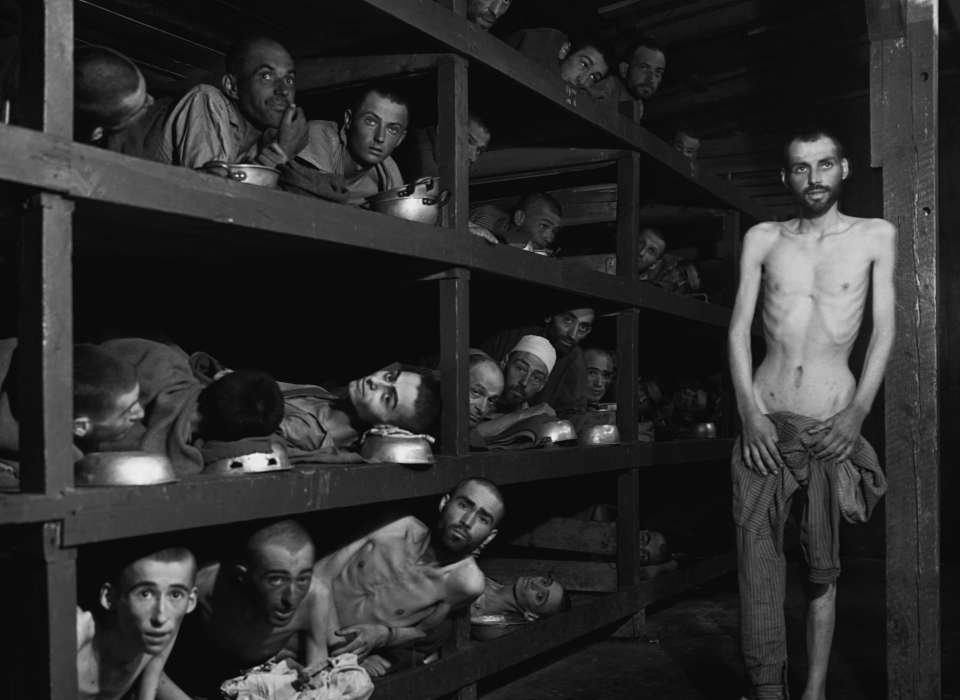
Allied forces from the United States, Britain, the Soviet Union, and other countries defeated Nazi Germany in 1945. When soldiers liberated the camps, they found survivors in terrible condition and uncovered evidence of the mass killings.
Why do we remember it?
The Holocaust is studied so that people never forget what hatred and prejudice, taken to their extreme, can lead to. The phrase "Never Again" reflects the world's commitment to stand against genocide — the deliberate killing of a large group of people based on who they are.
Survivors and historians have worked hard to preserve stories and testimonies, so that future generations understand both the tragedy and the importance of treating all people with dignity and respect.
For additional reading, here is a list of online resources to start. For further guidance, please reach out to Mr. McPhail:
United States Holocaust Memorial Museum (ushmm.org)
Yad Vashem (yadvashem.org)
Holocaust Museum Houston (hmh.org)
PBS LearningMedia (pbslearningmedia.org) — Search "Holocaust"
Facing History and Ourselves (facinghistory.org)