Spagnum Moss
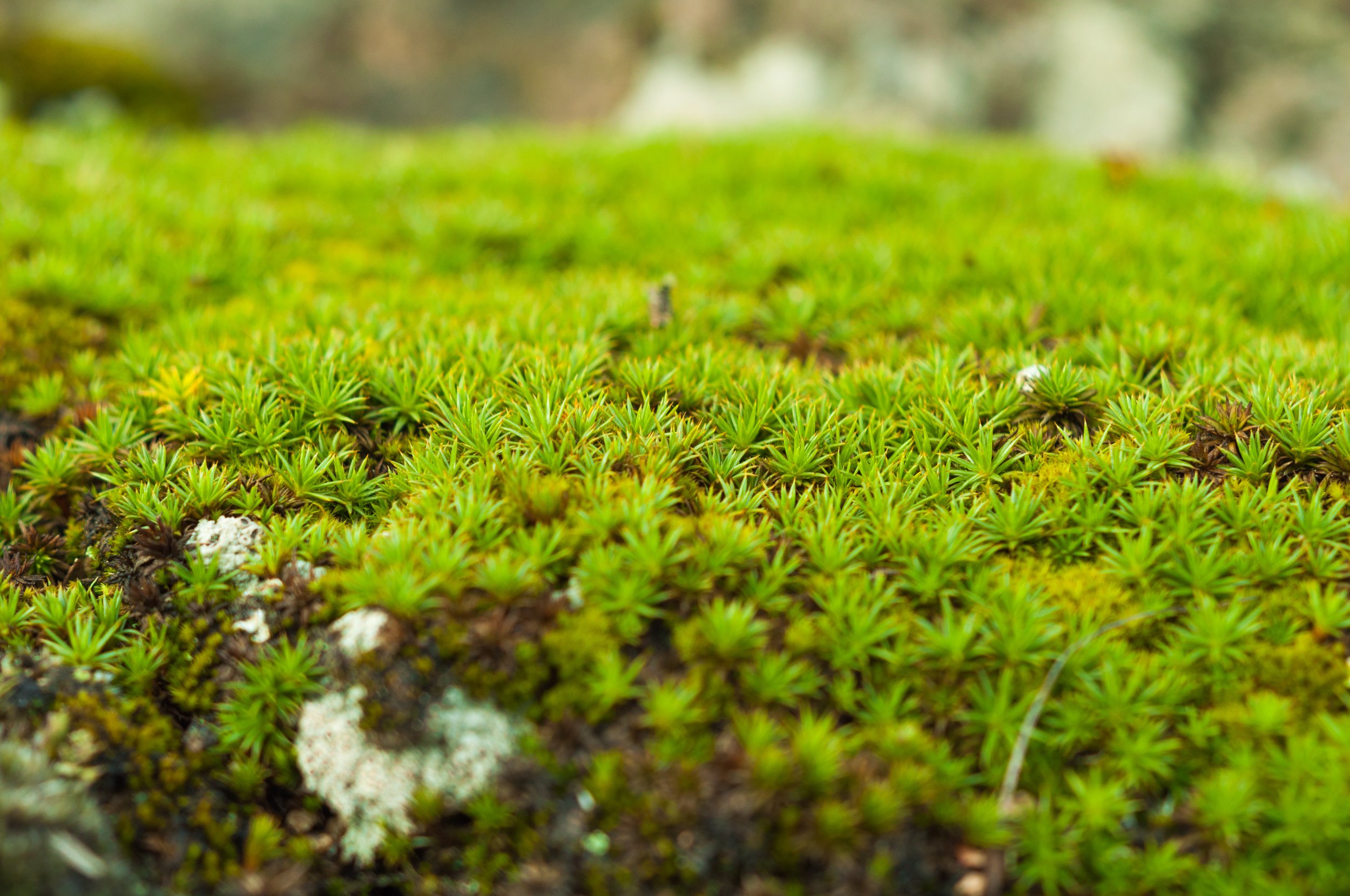
The Moss That Built the Bog: Sphagnum
Georges River Land Trust — Living River Species Series
Introduction
Step carefully into one of the bogs tucked into the upper reaches of the St. George River watershed and the ground gives beneath your feet in a way that is unlike anything else in the Maine landscape — spongy, yielding, alive. Look down and you're standing on a thick, saturated carpet of sphagnum moss, one of the most ecologically consequential plants on the planet. Sphagnum doesn't just live in bogs. It makes them. It acidifies water, hoards carbon, shapes entire ecosystems, and does so one tiny stem at a time, in a process that has been running without interruption since the last ice age.
Natural History
Sphagnum is a genus of mosses — Sphagnum spp. — with more than 300 species worldwide and around 40 in North America. Maine hosts a generous share of them, and their colors alone reward close attention: depending on the species and how much sun reaches them, sphagnum cushions range from vivid lime green to gold to deep burgundy red, painting bog surfaces in muted, jewel-like tones.
What makes sphagnum extraordinary is its structure. Each stem is lined with two kinds of cells: small, living green cells that photosynthesize, and large, dead transparent cells called hyaline cells — hollow, pore-riddled chambers that act like tiny sponges. Together, they allow sphagnum to absorb and hold up to 20 times its dry weight in water. A single handful, wrung out, releases a startling quantity of liquid.
But water storage is only part of the story. As sphagnum grows and absorbs water, it releases hydrogen ions in exchange for the nutrients it takes up — effectively acidifying everything around it. A thriving sphagnum bog can have a pH as low as 3.5 or 4, roughly the acidity of apple juice. Almost nothing decays in those conditions. Dead sphagnum accumulates beneath the living surface as peat, building up layer by layer over centuries and millennia. In some Maine bogs, the peat is ten feet deep or more — a compressed archive of moss that was alive when the first people walked this watershed.
That same cold, acidic, airless environment creates the conditions for carnivorous plants: pitcher plants and sundews thrive in sphagnum bogs because the moss has stripped the water of nutrients so thoroughly that the plants evolved another way to feed.
Wabanaki Uses
Sphagnum was among the most practically valuable plants available to Wabanaki peoples across every season of the year. Its remarkable absorbency and natural antimicrobial properties — the same acidity that preserves peat for millennia also inhibits bacterial growth — made it an ideal material for wound dressings, applied directly to cuts, burns, and injuries to slow bleeding and prevent infection. This was not folk belief: the mechanisms are real, and the practice worked.
Soft, dry sphagnum was used as lining for cradleboards, providing absorbent, gentle padding for infants. It was packed into footwear for insulation and moisture management, used to chink the gaps in bark dwellings, and gathered as tinder for fire-starting. The Penobscot and Passamaquoddy, whose territories encompassed the bogs and wetland corridors of this watershed, understood sphagnum as a versatile and reliable material — one of the most useful things the boggy landscape provided.
Role in the St. George River Watershed
The bogs and fens of the upper St. George watershed — particularly in the hillier terrain of Montville, Appleton, and surrounding towns — support robust sphagnum communities that quietly perform several critical functions.
Sphagnum bogs act as water reservoirs, absorbing rainfall and releasing it slowly, moderating the extremes of flood and drought in downstream waters. They are significant carbon sinks: peatlands globally store more carbon per acre than any other ecosystem, including tropical rainforests, and Maine's peat bogs are active participants in that storage. Draining or disturbing a bog releases that accumulated carbon — making bog protection a genuine climate consideration.
For biodiversity, sphagnum communities are irreplaceable. Bog-dependent species — pitcher plants, sundews, bog laurel, leatherleaf, Labrador tea, and the specialized insects that live among them — exist nowhere else in the watershed. Nesting waterfowl, dragonflies, bog-adapted butterflies, and boreal bird species all use sphagnum habitat. These are not interchangeable with any other wetland type.
Seasonal Notes
Sphagnum grows year-round but is most visibly lush from late spring through fall, when moisture is high and the colors are at their most vivid. A bog visited on a cool, foggy morning in June — the moss saturated, glistening, and deeply green — is one of the quieter visual rewards the watershed offers. Through summer, the bog surface can take on golden and red tones as drier conditions stress some species. Winter finds sphagnum dormant but largely intact beneath snow, already ready for the following spring.
Fun Fact
During World War I, when cotton bandages ran critically short on the Western Front, British and Canadian military medical services turned to sphagnum moss as an emergency substitute. Volunteers — many of them women and children — harvested millions of pounds from bogs across Britain, Ireland, and Canada. The moss was dried, packed into gauze, and shipped to field hospitals, where it outperformed cotton: more absorbent, naturally sterile, and gentler against wounds. Estimates suggest sphagnum dressings were used for more than a million soldiers during the war. Wabanaki peoples had understood these properties for generations before a world war confirmed them.
Want to Learn More?
- Native Plant Trust: Go Botany — Sphagnum — Identification resources for New England sphagnum species.
- Maine Natural Areas Program — Peatlands — An overview of Maine's bog and fen communities, their ecology, and their distribution.
- Maine DEP — Wetlands Protection — Why Maine's wetlands, including sphagnum bogs, are protected and how that protection works.
- Wabanaki Medicine and Moons Educators Guide — Maine Dept. of Education — Traditional Wabanaki knowledge of plant uses and seasonal relationships with the natural world.
The Living River blog series is published by St. George Consulting in support of the Georges River Land Trust and the Maine Council of Trout Unlimited. To explore the important work these organizations are doing to conserve and restore Maine's landscapes, visit georgesriver.org and tumaine.org.